digital marketing

image 1

Why Google Is Removing Reviews from School GMB

Google Business Profile (formerly Google My Business or GMB) has long been an important tool for schools to show their presence online. Parents often checked star ratings and reviews to understand a school’s reputation before making admission decisions. However, Google has recently introduced a major change: reviews and star ratings are no longer visible for school Google Business Profiles.Why Google Is Removing Reviews from School GMB has become a major discussion point among educators and parents alike This update has created confusion among school owners, administrators, and marketers. Why did Google take this step? What does it mean for schools? And how can schools now build trust without Google reviews? In this blog, we will explain everything you need to know about this update. What Is the New Google Policy for School GMB Profiles? Under Google’s new policy, ratings and reviews are still shown for most businesses, such as restaurants, shops, hospitals, salons, and service providers. However, for general education schools (Nursery to Class 12 / K–12 schools), Google has completely : This change applies globally and affects schools categorized as primary, elementary, middle, secondary, and senior secondary schools. In short: ⭐ Ratings remain visible for other businesses, but school reviews are no longer shown on Google. Why Google Is Removing Reviews from School GMB Google has shared that the main reason behind this decision is to improve the quality, fairness, and reliability of information on its platform. Over time, Google noticed serious issues with school reviews. 1. Many School Reviews Were Fake or Misleading One of the strongest reasons why Google is removing reviews from School GMB is the misuse of the review system. A large number of reviews were : These reviews often did not reflect the true quality of education or environment of the school. 2. Reviews Were Emotion-Based, Not Experience-Based Another important reason why Google is removing reviews from School GMB is that school experiences are very different from businesses like restaurants or shops. Education is : A single negative incident or misunderstanding often resulted in harsh reviews that stayed online for years, even if the issue was resolved later. Google found that such reviews were not a fair or accurate way to judge a school. 3. Protecting Schools and Students A critical factor in why Google is removing reviews from School GMB is safety and sensitivity. Schools deal with children, parents, and confidential information. Google aims to : Removing reviews helps create a safer and more respectful digital space for educational institutions. 4. Reviews Are Not the Right Metric for Education Quality Education quality cannot be measured using star ratings alone. Factors like : cannot be accurately judged through short public comments. Google recognized that school reviews do not truly help parents make informed decisions. Which Schools Are Affected by This Change? The policy of why Google is removing reviews from School GMB mainly applies to general education schools, including : What About Colleges and Universities? While understanding why Google is removing reviews from School GMB, it is important to note that in many cases : may still show reviews, depending on their category. The restriction is focused on general education (K–12) schools. How This Change Impacts Schools 1. No More Negative Review Pressure One major benefit of why Google is removing reviews from School GMB is that schools no longer have to worry about : This gives schools a fresh digital start. 2. Shift from Ratings to Real Information As reviews are removed, why Google is removing reviews from School GMB also encourages parents to focus more on : This encourages schools to present real value instead of chasing stars. 3. Increased Importance of Digital Presence Without reviews, why Google is removing reviews from School GMB highlights the need for schools to strengthen : How Schools Can Build Trust Without Google Reviews Even after understanding why Google is removing reviews from School GMB, schools can still build strong online credibility. 1. Optimize Your Google Business Profile Your GMB profile still matters a lot. Schools should : A complete profile builds first-level trust. 2. Use Website Testimonials Instead of Google Reviews Since why Google is removing reviews from School GMB affects public feedback, schools should use : Using real names, photos, or videos (with permission) increases authenticity and trust. 3. Highlight Academic Results and Achievements Show proof of performance through : Achievements speak louder than ratings. 4. Stay Active on Social Media Platforms Parents often check social media before visiting a school. Schools should regularly post : This transparency supports the idea behind why Google is removing reviews from School GMB. 5. Use Google Posts for Updates Even without reviews, Google allows schools to : This keeps the profile fresh and informative in search results. 6. Focus on Word-of-Mouth and Offline Reputation Despite why Google is removing reviews from School GMB, word-of-mouth remains powerful. Schools should : Real experiences build long-term trust. For stronger online presence and better visibility in the digital space, schools can also consider hiring a professional digital marketing expert like Digiphlox, who can help manage online profiles, SEO, content, and overall digital reputation effectively. SEO Benefits of This Change for Schools From an SEO perspective, why Google is removing reviews from School GMB means : Schools that invest in: will gain a competitive edge. Final Thoughts Why Google is removing reviews from School GMB is not a setback but a strategic shift. It protects schools from unfair judgment and helps parents focus on meaningful, factual information rather than star ratings. In simple words : Google reviews are gone for schools, but trust is not. Schools must now build credibility through transparency, achievements, communication, and strong digital presence. Schools that adapt quickly and focus on quality presentation instead of ratings will benefit the most from this change. Frequently Asked Questions (FAQs) Q1. Are Google reviews permanently removed for schools ?Yes, for general education schools, reviews and ratings are currently disabled. Q2. Can parents still leave reviews for schools ?No, Google has

Why Google Is Removing Reviews from School GMB Read More »

create a 1080 x 1080 instagram poster wi 7p8JJbttRyu7JTxPC6YmLQ p hOv OpQQ6SgjqHb7T Tw

Major festivals of India in 2026: State-Wise Guide with Dates & Cultural Significance

Introduction – Best Guide to India’s Festival Celebrations India is a land of spectacular color, deep tradition, spiritual richness, and diverse communities. The Major festivals of India represent not just dates on a calendar, but living heritage that unites millions. From joyful celebrations to introspective traditions, the Major festivals of India showcase centuries of culture, myth, art, music, and togetherness. In 2026, festival planners, families, and travel lovers will witness a truly unforgettable year of celebrations. In this blog, we will explore the Major festivals of India by states, share key dates in the 2026 calendar, explain their cultural importance, and provide practical insights for travelers and cultural enthusiasts alike. What Makes the Major Festivals of India Special? The Major festivals of India are powerful expressions of: Whether you’re celebrating Holi in Mathura, Durga Puja in Kolkata, or Diwali across the nation, Indian festivals make every moment special. 🇮🇳 National Calendar – Major Festivals in India (2026) Below is the festival road map for the Major festivals of India in 2026, including important holiday dates: Festival/Event 2026 (Date) Significance Makar Sankranti / Pongal Jan 14 Harvest celebration Republic Day Jan 26 National pride Maha Shivratri Feb 16 Worship of Lord Shiva Holi Mar 4 Festival of colors Ram Navami Mar 26 Birth of Lord Rama Mahavir Jayanti Mar 31 Jain celebration Good Friday Apr 3 Christian observance Buddha Purnima May 1 Buddha’s birth Rath Yatra Jul 16 Odisha chariot festival Raksha Bandhan Aug 28 Sibling festival Janmashtami Sep 4 Birth of Lord Krishna Ganesh Chaturthi Sep 14 Lord Ganesh festival Navratri Oct 11–20 Worship of Goddess Durga Dussehra / Vijayadashami Oct 20 Good over evil Diwali / Deepavali Nov 8 Festival of lights Guru Nanak Jayanti Nov 24 Sikh celebration Christmas Dec 25 Global holiday These are India’s most celebrated events, enriched further by unique state traditions. State-Wise Major Festivals of India – 2026 Guide 1. Uttar Pradesh – Sacred & Serene Uttar Pradesh hosts some of the most iconic Major festivals of India, including: • Holi – Mar 4, 2026 Mathura and Vrindavan transform into vibrant hubs of color, devotional music, and joyful traditions. • Ram Navami – Mar 26, 2026 Ayodhya holds grand celebrations honoring Lord Rama. • Magh Mela – Jan 3–Feb 15, 2026 A massive holy gathering in Prayagraj with sacred dips and spiritual discourses. • Diwali – Nov 8, 2026 The entire state glows, especially Ayodhya, with lamp-lighting ceremonies and cultural events. Uttar Pradesh remains a spiritual heartland with deep-rooted rituals and festival traditions. 2. Maharashtra – Land of Ganesh & Community Celebrations • Ganesh Chaturthi – Sep 14, 2026 Massive pandals, processions, and cultural performances fill Mumbai and Pune. • Gudi Padwa – Mar 19, 2026 Celebrated as the Marathi New Year with traditional rituals. • Holi & Diwali Statewide celebrations add charm with regional customs. Maharashtra’s cultural energy and street festivities attract millions. 3. West Bengal – Durga Puja Glory • Durga Puja – Mid-October 2026 The most artistic celebration in India, filled with handcrafted pandals, cultural shows, and devotional rhythms. • Kali Puja – Nov 8, 2026 A deeply spiritual night aligning with Diwali. • Rath Yatra – Jul 16, 2026 Shared spiritual traditions with Odisha. Durga Puja stands as one of India’s grandest cultural spectacles. 4. Gujarat – Navratri Dance & Cultural Brilliance • Navratri – Oct 11–20, 2026 Ten nights of Garba, Dandiya, and devotion. • Diwali – Nov 8, 2026 Homes and markets glow with lights and festivities. • Rann Utsav – Until Mar 4, 2026 A cultural festival in the White Desert. Gujarat radiates tradition and energy throughout the year. 5. Karnataka – Royal Heritage & Dasara • Mysore Dasara – Oct 4–12, 2026 Famous for the illuminated Mysore Palace and cultural parades. • Ugadi – Mar 19, 2026 The Kannada New Year with rituals and festive foods. Karnataka’s celebrations combine royal heritage and spiritual culture. 6. Tamil Nadu – Temple Traditions & Harvest Joy • Pongal – Jan 15, 2026 A four-day harvest celebration with kolam art, feasts, and prayers. • Tamil New Year – Apr 14, 2026 A day of gratitude and cultural renewal. • Navratri & Vijayadashami Famous for Golu displays and temple events. Tamil Nadu highlights India’s ancient cultural roots. 7. Andhra Pradesh & Telangana – Tradition & Festive Warmth • Sankranti – Jan 14, 2026 A major harvest celebration with kites, rangoli, and cultural rituals. • Ugadi – Mar 19, 2026 The Telugu New Year. These states combine tradition with vibrant community celebrations. 8. Odisha – Home of Jagannath & Chhath Devotion • Rath Yatra – Jul 16, 2026 One of the largest chariot festivals globally, drawing millions to Puri. • Chhath Puja – Late Oct/Nov 2026 Dedicated to the Sun God with strong devotional practices. Odisha’s celebrations are deeply spiritual and culturally rich. 9. Punjab & Haryana – Harvest & Community Joy • Baisakhi – Apr 14, 2026 Marking the Sikh New Year and harvest season. • Lohri – Jan 13, 2026 Celebrated with bonfires, folk songs, and traditional snacks. These northern states preserve India’s agricultural and cultural essence. 10. Kerala – Onam Beauty & Vishu Tradition • Onam – Aug 26, 2026 Boat races, flower carpets, feasts, and dances mark this iconic celebration. • Vishu – Apr 14, 2026 A festival of blessings and new beginnings. Kerala’s celebrations blend nature, culture, and spirituality. 11. Goa & Northeast India – Fusion of Culture • Christmas – Dec 25, 2026 (Goa) Goa comes alive with midnight masses, lights, and music. • Hornbill Festival – Dec 2026 (Nagaland) A celebration of tribal identity, food, and art. These regions bring refreshing diversity to India’s cultural calendar. Planning Your Year Around the Major Festivals of India Because the Major festivals of India are spread throughout the calendar, here are tips for meaningful travel and content planning:✔ Check precise local calendars — regional traditions may shift dates slightly.✔ Book accommodations well in advance for peak festivals like Holi, Diwali, and Rath Yatra.✔ Respect local customs and

Major festivals of India in 2026: State-Wise Guide with Dates & Cultural Significance Read More »

Why Businesses Fail Online

Why Most Businesses Fail Online — And How Smart Digital Strategy Fixes It

Most businesses jump into digital marketing with excitement, only to realize they have no ideawhat they’re doing. They think posting random content, boosting one or two posts, or running a₹500 ad campaign will magically bring customers. And when things don’t work, they blame theplatforms, the “algorithm,” or the agency.The truth is brutally simple:Businesses don’t fail online because of competition. They fail because they don’t have areal digital strategy.At DigiPhlox, we work with brands across Uttarakhand — colleges, hotels, real-estatecompanies, local businesses, retailers, and startups — and the pattern is always the same.Businesses aren’t losing because the market is crowded. They’re losing because they areunprepared.This article breaks down the core fundamentals that separate brands that grow consistentlyfrom those that stay stuck. Posting Consistently Is NOT a Strategy A shocking number of businesses think digital marketing = posting daily on Instagram.This mindset is the fastest way to waste time.Consistency matters only when the content is strategic — content that aligns with:● What your customers actually care about● What problems they’re trying to solve● What decisions they are stuck on● What objections stop them from buyingRandom posts don’t convert.Content with purpose does.If your content is not answering the questions in your customer’s mind, you’re invisible — nomatter how often you post. Most Brands Have No Sales Funnel — Just ScatteredEfforts Boosting posts won’t fix a weak funnel.Posting reels won’t fix a weak funnel.Running ads without a funnel is like pouring water into a leaking bucket.Here’s what a real funnel looks like:Awareness → Interest → Consideration → Intent → Purchase → RetentionEvery stage demands a different approach:● Awareness: Short, visual content● Interest: Storytelling, carousel posts, blogs● Consideration: Social proof, testimonials, case studies● Intent: Landing pages, comparison ads, retargeting● Purchase: Offers, clear CTAs, WhatsApp automation● Retention: Email marketing, community building, loyalty programsWhen a business understands this structure, numbers go up.When they don’t, they blame “digital doesn’t work.” Your Website Is a Silent Salesperson — MostBusinesses Ignore It Almost every business we analyze has one (or more) of these problems:● Slow loading time● Weak copy● No clear CTA● Poor SEO● No trust signals● Low-quality images● Broken mobile experienceYou can’t expect conversions when your website itself confuses people.A website should be built for one thing: clarity — clear messaging, clear value, clear next steps.What works:● Direct, benefit-driven headlines● Professional photos and videos● Social proof● Strong, short explanations● Clean structure● Fast loading speed● Optimized SEOIf your website isn’t your strongest asset, you’re losing customers every day and you don’t evenrealize it. People Trust People — Not Brands With Weak OnlinePresence Customers don’t buy because the product is cheap or the ad is fancy.They buy because they trust you.Trust is built through:● High-quality visuals● Educative content● Behind-the-scenes videos● Real customer reviews● Transparent communication● Consistent online presenceIf your brand isn’t showing its face, story, or proof, competitors who do will win — even with aninferior product. “We Tried Ads… It Didn’t Work” — No, Your Setup WasWrong Most businesses fail with ads because:● Targeting is random● Creatives are weak● Website is not optimized● Pixel is not properly set● No retargeting layers● No proper offer● No A/B testing● No analytics trackingAds don’t magically solve everything.They amplify what already exists.If your foundation is weak, ads will only burn money faster. SEO Is Not Optional — It’s the Foundation Too many businesses ignore search.It’s the only channel where users come with full intent.Good SEO includes:● Keyword strategy● On-page optimization● High-quality content● Local SEO● Backlinks● Technical optimizationWhen done right, SEO becomes your long-term compounding machine. Data > Assumptions Business owners often rely on gut feeling:“I think this will work.”“I think this design looks good.”“I think customers want this.”Reality check:Data doesn’t care what you think.The brands that grow consistently follow numbers:● Which content performed best● What time users are most active● Which ad audiences converted● Which landing page had the highest CTR● What keywords bring traffic● What pages have the highest bounceData-driven decisions eliminate guesswork and reduce wasted effort. Digital Isn’t a “Task” — It’s a Long-Term Asset Brands that treat digital marketing like a one–month project always struggle.Brands that treat it like infrastructure always grow.It’s not about short bursts.It’s about building:● Strong brand identity● A trustworthy presence● A high-performance website● A smart content ecosystem● Automated lead generation● Consistent retargeting● A community around your brandThis is how companies grow in 2025 and beyond. The Bottom Line Digital marketing works — but only when the approach is strategic.Businesses that invest in strong fundamentals win.Those who rely on shortcuts, luck, or random posting get stuck.At DigiPhlox, we’ve seen both types of businesses.The ones that commit to clarity, content, strategy, and execution always outperform.If your brand wants to grow seriously, stop guessing. Start building a real system.

Why Most Businesses Fail Online — And How Smart Digital Strategy Fixes It Read More »
Local seo - digiphlox

Why Local SEO Matters More Than Ever inUttarakhand (2025 Trends)

Here’s the same framework DigiPhlox uses to rank local businesses fast: Google Business Profile Optimization (The GameChanger) Your GBP is your digital storefront.We optimize:● Categories● Description with keywords● Service area● Photos & videos● Products● Reviews automation● NAP citations● Offers & updates High-Intent Uttarakhand Keywords We target keywords like:● “Best _ in Haldwani “● “___ near Ramnagar”● “Nainital ____ price” ● “Top _ in Uttarakhand”These bring leads that convert 4× better. Review Building System RankMath & Google both push businesses with real, consistent reviews.We set up:● QR codes● WhatsApp review funnels● Follow-up templates● Weekly review generation Local Backlinks (Uttarakhand Authority Boost) Backlinks from:● Local news● Uttarakhand directories● Industry-specific portalsThis gives a massive trust boost. On-Page SEO With Region-Based Optimization City pages are built like:● “Digital Marketing Agency in Haldwani”● “Hotel in Nainital for Family”● “Property Dealer in Ramnagar”Each city-specific page ranks for 20–40 keywords. Local Schema Markup (RankMath Rich Results) We add:● Local business schema● FAQ schema● Review schema● Service schemaGoogle LOVES structured data. Content Marketing Focused on Uttarakhand Trends Blogs that rank easily:● “Best Hotels in Nainital Near Lake”● “Top Property Locations in Haldwani 2025”● “How Restaurants in Ramnagar Can Increase Footfall”Local content = fast rankings. Why DigiPhlox Is the Best Local SEOAgency in Uttarakhand (Real Reasons) Most agencies talk big.DigiPhlox delivers results.Here’s the blunt truth: ✔ We dominate Uttarakhand niche Our clients are from:● Haldwani● Nainital● Ramnagar● Almora● Rudrapur● Kotabagh● DehradunWe know the local market better than anyone. ✔ Data-Driven Strategies We don’t guess — we track:● Map pack rankings● Local keywords● Reviews growth● Lead reports ✔ Fast Implementation Your business starts seeing traction within 30–45 days. ✔ Industry-Specific Custom Plans Hotel SEO ≠ Real estate SEO ≠ Clinic SEO.We create custom solutions. ✔ Affordable Packages for Local Businesses Designed for Uttarakhand’s market, not metro-city pricing. Results You Can Expect With Local SEO(Realistic & Honest) Within 30 days:● Visibility increase● Calls improve● Map ranking boosts● Reviews growWithin 90 days:● Top 3 map ranking (for most keywords)● Strong footfall● Higher bookingsWithin 180 days:● Dominant local authority● Permanent lead engine● SEO becomes your #1 growth channel Final Thoughts: Local SEO = Survival +Growth in Uttarakhand (2025) The businesses winning in Uttarakhand today are not the largest.They are the ones ranking in the top 3 map results.If you want:● More customers● More bookings● More visibility● More leads● Long-term growthThen Local SEO is not optional — it’s essential.And DigiPhlox is built exactly for this. Ready to dominate Google Maps & localsearch? Let DigiPhlox make your business the #1 local brand in Uttarakhand.Contact DigiPhloxUttarakhand’s Most Trusted Digital Marketing AgencOur Website : https://digiphlox.com/

Why Local SEO Matters More Than Ever inUttarakhand (2025 Trends) Read More »

digiphlox bog creative001

How to Choose the Right CMS Platform for Your Business Website

In today’s fast-moving digital world, your website is more than just your online identity — it’s your brand’s digital headquarters. To manage it effectively, you must find the Right CMS Platform for Your Business Website — one that’s secure, scalable, SEO-friendly, and easy to manage. With so many CMS options like WordPress, Shopify, Wix, and Webflow, it can be confusing to decide which one truly fits your business goals. Let’s simplify that for you. In this guide, you’ll learn exactly how to choose the Right CMS Platform for Your Business Website — and why WordPress continues to be the world’s favorite choice. What Is a CMS and Why Does It Matter? A Content Management System (CMS) is a platform that allows you to create, manage, and update website content without writing code. From publishing blogs to editing product pages, a CMS handles it all. When you select the Right CMS Platform for Your Business Website, you set the foundation for: 1. Identify Your Business Needs Before deciding on the Right CMS Platform for Your Business Website, understand your requirements. Ask yourself: For most small and medium businesses, WordPress is the ideal solution. It’s cost-effective, beginner-friendly, and offers plugins for every functionality imaginable — from SEO and lead generation to payment gateways and analytics. 2. Ease of Use and Flexibility One reason millions of businesses prefer the Right CMS Platform for Their Business Website in WordPress is its simplicity. Even with no technical background, you can easily: Platforms like Wix or Squarespace offer simplicity but limit design flexibility. WordPress, however, balances ease of use and creative freedom — a major reason Digiphlox relies on it for client projects. 3. SEO Power and Performance When selecting the Right CMS Platform for Your Business Website, SEO should be a top priority. A CMS that supports strong SEO foundations can help your site rank higher, attract traffic, and convert leads. WordPress dominates this space. It’s built for SEO excellence — and here’s why: Unlike many closed CMS platforms, WordPress gives you complete control over SEO customization — a big advantage in a competitive market. 4. Customization and Design Control Your website should reflect your brand’s identity. That’s why businesses prefer WordPress when looking for the Right CMS Platform for Their Business Website — it offers total creative freedom. WordPress provides: Whether you want a minimalist blog or a complex eCommerce site, WordPress can handle it — without breaking your budget or requiring heavy coding. 5. Scalability and Long-Term Growth A common mistake businesses make is choosing a CMS that fits “for now” instead of “for the future.” When selecting the Right CMS Platform for Your Business Website, think scalability. WordPress grows with your business — from 5 pages to 5,000 — with no performance compromise. It supports enterprise-level sites, multiple user roles, and multilingual setups. The community continuously develops plugins and updates, ensuring your site remains future-ready. Meanwhile, platforms like Wix or Shopify can become limiting when you need advanced customizations. WordPress, being open-source, keeps evolving — making it the most future-proof CMS today. 6. Security and Maintenance Security is a key factor when choosing the Right CMS Platform for Your Business Website. WordPress is highly secure when maintained properly. You can enhance its protection with: Unlike some hosted CMS platforms, WordPress gives you full control over your data and security measures — which means you own your website, not a third-party service. 7. Integration and Compatibility Your website doesn’t work in isolation — it connects with marketing, sales, and analytics tools. WordPress stands out because it integrates smoothly with: When looking for the Right CMS Platform for Your Business Website, integration flexibility is essential — and that’s exactly where WordPress shines. 8. Cost and Value Another reason to pick WordPress as the Right CMS Platform for Your Business Website is cost efficiency. While the platform itself is free, you only pay for hosting and premium plugins if needed. Compare this to Shopify or Webflow, which charge monthly fees and transaction costs. With WordPress, you have complete ownership, no hidden charges, and the freedom to switch hosting anytime. Platform Cost Hosting Control Ideal For WordPress.org Free  Separate Full Businesses of all sizes Shopify $29+/mo Included Limited eCommerce Wix/Squarespace $16–$30/mo Included Limited Small portfolios Webflow $14–$39/mo Included Moderate Design agencies WordPress delivers the best ROI — which is why Digiphlox builds 90% of its client websites on it. 9. Support and Community The global WordPress community is unmatched. When you select the Right CMS Platform for Your Business Website, having access to vast support resources is priceless. You’ll find: Digiphlox also provides post-launch support and maintenance, ensuring your WordPress site stays secure, fast, and optimized. 10. Future-Proofing Your Website When choosing the Right CMS Platform for Your Business Website, think beyond 2025. WordPress remains at the forefront of innovation with: Unlike proprietary CMS platforms, WordPress evolves with the web — ensuring your site never becomes outdated. Final Thoughts Finding the Right CMS Platform for Your Business Website shapes your brand’s online journey. Among all CMS options, WordPress stands out for its SEO strength, flexibility, affordability, and endless scalability. If you want a website that’s fast, secure, and easy to manage — the Right CMS Platform for Your Business Website is undoubtedly WordPress. 🚀 At Digiphlox, we specialize in building high-performing, SEO-optimized WordPress websites tailored to your goals. Let our experts help you find the Right CMS Platform for Your Business Website and create a digital presence that drives real growth.

How to Choose the Right CMS Platform for Your Business Website Read More »

digiphlox blog creative 1

Performance Marketing vs Brand Marketing – What’s Better for You?

In today’s competitive digital world, every business wants two things — visibility and results. But when it comes to achieving these goals, marketers often face a common question: Should I focus on Performance Marketing or Brand Marketing? Both approaches play a crucial role in a company’s growth. However, understanding their key differences and how they complement each other is the secret to building a strong, sustainable marketing strategy.In this blog, we’ll break down the Performance Marketing vs Brand Marketing debate — what they are, how they work, their pros and cons, and which one fits your business better. What Is Performance Marketing? Performance Marketing is a data-driven strategy where you pay only when specific results are achieved — such as a click, lead, sale, or sign-up. It’s all about measurable, short-term results. This marketing method focuses on immediate performance and return on investment (ROI). Businesses can see exactly what works and what doesn’t, making it ideal for campaigns that aim to drive quick growth. Popular Channels Used in Performance Marketing: Example: If a fitness brand runs Facebook ads promoting its gym membership, and only pays when someone signs up, that’s Performance Marketing. The focus is on tangible outcomes like conversions or leads. What Is Brand Marketing? Brand Marketing is about building a lasting emotional connection between your business and your audience. It focuses on how people feel about your brand, rather than just getting them to take immediate action. The goal is to create awareness, trust, and loyalty — positioning your business as a reliable, recognizable name over time. Key Brand Marketing Activities: Example: Think of Nike, Apple, or Coca-Cola. Their ads don’t just promote products; they sell an idea, a lifestyle, and a feeling. That’s Brand Marketing in action — it focuses on emotions and long-term relationships. Performance Marketing vs Brand Marketing: Key Differences Aspect Performance Marketing Brand Marketing Goal Drive immediate sales, leads, or conversions Build trust, loyalty, and long-term recognition Time Frame Short-term (weeks or months) Long-term (months or years) Measurement ROI, clicks, conversions, cost-per-acquisition Brand awareness, sentiment, audience reach Budget Focus Measurable results and return Long-term storytelling and engagement Approach Data-driven and tactical Emotional and creative Outcome Direct revenue impact Strong market positioning and loyalty When we talk about Performance Marketing vs Brand Marketing, it’s not about which one is better — it’s about understanding their strengths and using them strategically. Advantages of Performance Marketing When to Use Performance Marketing: If your business needs immediate sales, measurable ROI, and fast growth, performance marketing is your go-to strategy. Advantages of Brand Marketing When to Use Brand Marketing: If you want to establish authority, gain long-term trust, and strengthen your reputation, brand marketing is essential. Combining Performance Marketing and Brand Marketing Rather than choosing one, smart businesses combine both. The Performance Marketing vs Brand Marketing approach doesn’t have to be a battle — it can be a partnership. Here’s how they work together effectively: Example: A real estate agency can run Google Ads to capture leads (performance marketing) while posting high-quality stories, client testimonials, and brand videos (brand marketing) to build trust. This balance ensures you’re not just chasing numbers but also nurturing a loyal audience that stays with you. How to Balance Both Strategies Finding the right mix of Performance Marketing vs Brand Marketing depends on your goals, budget, and business maturity. Here’s how to get started: Over time, brand strength will improve your performance campaigns — and successful campaigns will fund more brand-building efforts. Conclusion When comparing Performance Marketing vs Brand Marketing, remember that neither is inherently better — they’re just different tools for different objectives. Performance marketing gives you fast, measurable success. Brand marketing gives you credibility and staying power. The real magic happens when you combine both — quick wins backed by a strong, trusted name. Want to experience the perfect balance of performance and brand growth?Partner with Digiphlox — your trusted digital marketing agency that blends creative branding with data-driven performance to deliver real, lasting results.

Performance Marketing vs Brand Marketing – What’s Better for You? Read More »

Digiphlox poster

Local SEO for Small Business : How to Attract Customers Near You

Introduction In today’s competitive digital landscape, local SEO for small business has become one of the most effective ways to reach nearby customers. People no longer rely only on word of mouth; instead, they search on Google using terms like “best salon near me” or “restaurant in Ramnagar.” For a small business, this presents a golden opportunity. Focusing on Local SEO allows you to improve visibility, build reliability, and reach more customers around you. In this blog, we’ll explain what Local SEO is, why it’s important, and the exact strategies that make it work. And remember: Creating a Google Business Profile is not enough—it also needs to rank well on Google. For that, you can rely on Digiphlox. What is Local SEO for Small Business? Local SEO for small business means enhancing your digital presence so that potential customers in your area can easily find you in search results. Where global SEO targets audiences worldwide, Local SEO focuses on local queries like ‘café in Nainital’ or ‘plumber near me.” For small businesses, Local SEO creates equal opportunities in the market. Even if you don’t have a huge advertising budget, you can compete with larger companies by showing up in local search results when it matters most. Why Local SEO Matters for Small Business Users looking for businesses nearby are typically ready to purchase. Someone typing “digital marketing agency near me” is actively looking for services. Local SEO helps your business appear on Google Maps and in the “local pack” (the top 3 results with a map). A business with strong local presence, reviews, and accurate information instantly appears more trustworthy. Most local searches happen on mobile. Optimizing for local SEO for small business ensures you capture this audience. Flyers, banners, or local newspapers are costly and short-lived. Local SEO, on the other hand, is cost-effective and delivers long-term results by keeping you visible to potential customers every day. Proven Strategies in Local SEO for Small Business 1. Optimize Your Google Business Profile A complete and optimized Google Business Profile (GBP) is the backbone of Local SEO. Add accurate business details, categories, photos, and updates. But remember: Creating a Google Business Profile is not enough—it also needs to rank well on Google. For that, you can rely on Digiphlox. 2. Ensure NAP Consistency NAP = Name, Address, Phone number. Make sure these details are exactly the same across your website, social media, and directories. Inconsistencies hurt your ranking and confuse search engines. 3. Collect and Manage Reviews Reviews influence both search ranking and customer decisions. Encourage happy clients to leave Google reviews and always respond professionally. Pro Tip: Offer small incentives like discounts or loyalty points to motivate customers to review your services. This not only improves your SEO but also builds a loyal customer base. 4. Optimize Your Website with Local Keywords Your website represents the online identity of your small business. Use location-based keywords and highlight your services clearly. Examples: By weaving local SEO for small business into your content naturally, you’ll attract the right audience at the right time. 5. Mobile-Friendly Website Small businesses benefit greatly from a fast, mobile-friendly site. Since most local searches are done on smartphones, your site must load fast and be easy to navigate. Include click-to-call buttons and location maps so users can reach you quickly. 6. Build Local Citations Citations (mentions of your NAP on directories) are a strong ranking factor. Add your business to trusted sites like Justdial, IndiaMart, and local directories. Each citation increases your credibility in Google’s eyes. 7. Social Media Engagement Social platforms help boost local reach. Share updates, promotions, and local news. Use hashtags like #RamnagarBusiness or #LocalSEOforSmallBusiness to attract nearby audiences. Also, tag your location in posts and encourage customers to check in at your business—this creates valuable user-generated content that boosts visibility. 8. Location-Specific Pages If your small business serves multiple areas, create unique location pages on your website. Each page should target a specific city or region with relevant keywords. This ensures that whether someone searches “café in Haldwani” or “salon in Ramnagar,” your business appears as a strong contender. Common Mistakes Small Businesses Make in Local SEO How Digiphlox Helps Small Businesses with Local SEO At Digiphlox, we understand the unique challenges small businesses face. Our team specializes in local SEO for small business, ensuring that your Google Business Profile ranks, your website is optimized for local searches, and your brand gains visibility in your area. We focus on: With Digiphlox, your small business doesn’t just appear online—it stands out and attracts the right customers. Conclusion For small businesses, local SEO is not just an option—it’s a necessity. By optimizing your Google Business Profile, managing reviews, ensuring NAP consistency, and targeting the right keywords, you can attract customers near you and grow your brand locally. And don’t forget: Creating a Google Business Profile is not enough—it also needs to rank well on Google. For that, you can rely on Digiphlox. With local SEO for small business, you’ll have a competitive edge, increased visibility, and a steady flow of nearby customers walking into your store or contacting you online.

Local SEO for Small Business : How to Attract Customers Near You Read More »

ChatGPT Image Sep 5 2025 11 53 44 AM min 1 1

10 Proven Ways to Boost Online Sales with Digital Marketing

In today’s digital-first world, businesses must find smart ways to boost online sales with digital marketing. Whether you run an e-commerce store, a local service, or a B2B company, your customers are constantly searching, scrolling, and shopping online. The challenge is simple: how do you stand out in this crowded digital space and turn visitors into loyal buyers? The answer lies in a well-planned digital strategy. When used effectively, digital marketing can attract the right audience, build trust, and maximize conversions. In this blog, we’ll share 10 proven strategies that will help you boost online sales with digital marketing and achieve sustainable growth. 1. Optimize Your Website for Conversions Think of your website as your digital showroom—the journey to boost online sales with digital marketing begins by ensuring it’s simple, fast, and user-focused. Think of your website as the first impression of your brand. If it looks outdated or confusing, visitors leave instantly. On the other hand, a polished, professional site keeps people engaged and encourages them to make a purchase. 2. Leverage Search Engine Optimization (SEO) If you want to boost online sales with digital marketing, SEO must be your priority. Ranking higher on Google means capturing organic traffic from customers actively searching for your products. Key SEO tactics include : SEO is a long-term investment. While paid ads bring immediate traffic, SEO ensures you get continuous visibility and build credibility in your niche. 3. Run Targeted Google Ads Another proven way to boost online sales with digital marketing is by running Google Ads. These ads appear in front of people actively searching for what you sell. Google Ads deliver instant visibility and faster conversions compared to organic methods. With the right targeting and budget control, even small businesses can compete with big brands. 4. Master Social Media Marketing Social media is one of the most effective tools to boost online sales with digital marketing. Platforms like Instagram, Facebook, and LinkedIn give you direct access to billions of users. Social platforms go beyond likes and comments—they serve as strong channels for driving sales. By showing up consistently, you create trust and build relationships that lead to conversions. 5. Use Email Marketing to Nurture Leads Email remains one of the highest ROI strategies to boost online sales with digital marketing. It allows you to nurture leads, build loyalty, and encourage repeat purchases. Email campaigns keep you directly connected with your audience, reaching their inbox without relying on social media algorithms. 6. Invest in Content Marketing To boost online sales with digital marketing, you must provide value first. Content marketing helps establish your authority while guiding buyers through their journey. Popular formats include : Great content not only educates but also positions you as a problem-solver. When customers feel confident in your knowledge, they are far more likely to purchase from you. 7. Retarget Visitors with Remarketing Ads Most customers don’t buy on their first visit. Remarketing ensures you stay visible and boost online sales with digital marketing by targeting past visitors. Example : If someone viewed your product but didn’t purchase, you can retarget them with an ad offering free shipping or a discount. Remarketing acts as a reminder and often turns “maybe later” visitors into paying customers. 8. Harness the Power of Video Marketing Videos are an excellent way to boost online sales with digital marketing because they are engaging, persuasive, and easy to consume.  Landing pages with videos have the potential to increase conversions by nearly 80%.That’s why businesses of all sizes are investing in video content. 9. Offer Limited-Time Promotions and Discounts Creating urgency is another smart way to boost online sales with digital marketing. Customers act faster when they fear missing out. This tactic not only drives sales but also creates excitement around your brand. 10. Track, Analyze & Improve with Analytics The final step to consistently boost online sales with digital marketing is tracking performance. Without data, you’re guessing. Key metrics to measure : Analytics reveal what’s working and what needs fixing. By doubling down on successful strategies and eliminating weak ones, you’ll maximize ROI. FAQs Q1: How can digital marketing help increase online sales? Digital marketing helps increase online sales by improving visibility, targeting the right audience, building trust, and guiding customers through personalized strategies like SEO, paid ads, and social media campaigns. Q2: Which digital marketing strategy works best for boosting online sales? There’s no single strategy that works for all businesses. A mix of SEO, Google Ads, email marketing, and social media usually delivers the best results for boosting online sales. Q3: How long does it take to see results from digital marketing? Results vary depending on the strategy. Paid ads can bring sales immediately, while SEO and content marketing may take 3–6 months to show significant growth. Combining short-term and long-term tactics ensures steady success. Final Thoughts When you combine these strategies, you can effectively boost online sales with digital marketing and build a strong online presence. From SEO and Google Ads to content marketing and remarketing, each tactic contributes to your growth. Digiphlox focuses on building personalized digital marketing plans that drive real business growth. If you’re ready to boost your online sales with digital marketing, our team is here to help. Contact Digiphlox today and let’s take your business to the next level!

10 Proven Ways to Boost Online Sales with Digital Marketing Read More »

Digital marketing plan

How to Create a 90 Day Digital Marketing Plan for Your Small Business

Digital marketing is no longer optional it is the lifeline of small businesses in todays competitive world. But for many business owners it can feel like stepping into a maze: Where do you start? Which platform should you use? How do you know if it is even working? That is where a 90 day digital marketing plan comes in. Unlike long term strategies that feel overwhelming a 90 day plan gives you clarity, focus and quick results. It is short enough to adapt to changes and long enough to measure meaningful growth. In this guide, we will walk you step by step through building a practical 90 day digital marketing plan for your small business. Why a 90 Day Plan Works You might wonder why 90 days? Why not a full year? The reason is simple: Think of it as a marketing sprint that sets the foundation for long term success. Step 1: Define Clear & Measurable Goals (Days 1–7) The first week of your plan should focus on setting goals. Without a destination, no roadmap will make sense. Ask yourself: Example Goals for Small Businesses: Pro Tip: Use the SMART framework: Specific, Measurable, Achievable, Relevant and Time bound. For instance, instead of I want more customers, say: I want to generate 20 leads from my Facebook ads campaign in 3 months. Step 2: Understand Your Audience (Days 7–14) If you try to sell to everyone, you will end up selling to no one. The second step is building a customer persona a profile of your ideal customer. Questions to Ask: Example: If you run a fitness studio, your audience might be: Once you know your audience, you will stop wasting money on ads that do not reach the right people. Step 3: Audit Your Current Online Presence (Days 14–21) Before building something new, check what you already have. 2. Social Media Audit: 3. Google Business Profile: Many small businesses skip this step and directly jump into ads but without fixing the basics, your efforts wont deliver results. Step 4: Build Your 90-Day Action Plan (Days 21–30) Here is where you put everything together. Divide your plan into 3 months (phases) so it feels manageable. Month 1: Build the Foundation: Month 2: Content & Engagement Month 3: Growth & Optimization Step 5: Track, Measure & Adjust (Days 30–90) Digital marketing is not about set it and forget it. You need to track progress regularly. Tools You Can Use: Metrics to Track: At the end of 90 days sit down and review: Did you hit your goals? What worked best? What should be changed for the next quarter? Common Mistakes to Avoid: Many small businesses start digital marketing with excitement but stop midway due to lack of results. Here are mistakes to watch out for: Final Thoughts: Creating a 90 day digital marketing plan does not have to be complicated. Start small, stay consistent and focus on the basics clear goals, understanding your audience, fixing your online presence, producing valuable content and tracking results. Within three months, you will not only see progress but also build momentum for long term success. Of course if you had rather spend more time running your business than managing all the digital details there are teams out there who specialize in exactly this. Agencies like DigiPhlox work with businesses to create structured, result driven plans so owners can focus on their passion while their online presence grows steadily in the background. For more information you can contact us.

How to Create a 90 Day Digital Marketing Plan for Your Small Business Read More »

how to list your business on Google for free

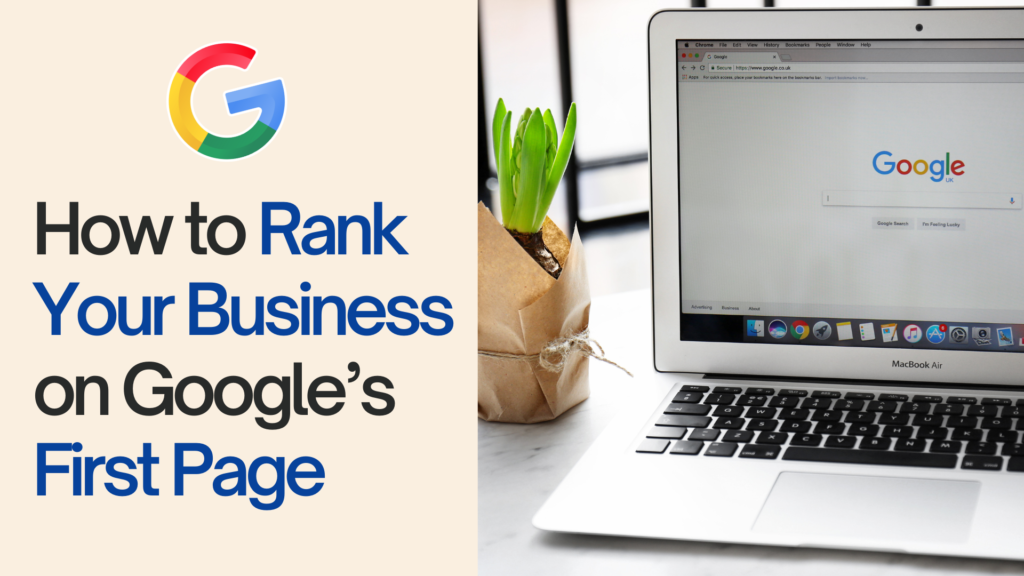
How to List Your Business on Google for Free: A Step-by-Step Guide

Why Google Business Profile Matters for Small Businesses Today, being online is no longer a luxury—it’s a necessity. And when it comes to online visibility, Google is the king. Google Business Profile (formerly Google My Business) allows small businesses to appear in Google Search and Google Maps—right where customers are looking. Benefits of Being Listed on Google In fact, studies show businesses with a complete Google profile are 2.7x more likely to be considered reputable by consumers. What Is Google Business Profile (formerly Google My Business)? Google Business Profile is a free tool that lets business owners manage how their business appears across Google. Key Features This tool isn’t just about showing up—it’s about standing out. Who Can List Their Business on Google for Free? Not every business qualifies, but if you offer a service or have a physical location, you’re in. Eligibility Step 1 – Create or Sign In to Your Google Account Before anything else, you’ll need a Google Account. Tips for Account Setup Step 2 – Go to Google Business Profile Page Visit google.com/business and click “Manage Now”. Navigating the Dashboard Step 3 – Enter Your Business Name and Address This is where accuracy is key. Consistency Across Web Ensure your NAP (Name, Address, Phone) is the same everywhere. This helps in SEO rankings. Home-Based Business? You can choose not to display your full address. Step 4 – Choose the Right Business Category Selecting the right category is critical. Why It Matters Google uses your category to decide which searches to show your listing in. Examples Step 5 – Add Contact Information and Website Your contact info should include: Adding a well-designed site builds trust and converts visitors. Step 6 – Verify Your Business on Google Verification is essential to go live. Methods Available If Issues Occur Make sure your info is consistent and reapply if necessary. Step 7 – Optimize Your Google Business Profile Now the magic happens. Optimization ensures you’re not just listed—but found. Key Optimization Tips Digiphlox Can Help: Expert Business Listing Services If this process feels overwhelming, don’t worry—Digiphlox is here for you. What Digiphlox Offers Success Story One client saw a 70% increase in local leads within 30 days of Digiphlox’s optimization. Common Mistakes to Avoid When Listing Your Business Mistakes can cost you visibility. Top Errors Best Practices to Keep Your Listing Active and Engaging Once you’re listed, keep it fresh. Pro Tips Tracking Your Listing’s Performance Use Google Insights to monitor: This data helps refine your strategy over time. Conclusion: Take the First Step with Digiphlox Getting listed on Google is the easiest, most effective free marketing move you can make today. Whether you run a local shop or a digital service, your customers are searching for you. And if the process seems too techy or time-consuming? Let Digiphlox handle it for you. From listing to optimization to full website design—Digiphlox has your back.follow us on Instagram-www.instagram.com/digiphlox

How to List Your Business on Google for Free: A Step-by-Step Guide Read More »

Claim Your FREE Domain